If your commercial operation generates exhaust—whether it's smoke from a high-powered kitchen range, fumes from industrial processes, or dust from a workshop—you are operating within a highly regulated environment. For business owners in Sydney, understanding the rules governing exhaust cleaning isn't just a matter of good housekeeping; it's a critical component of compliance, safety, and operational longevity. Ignoring these regulations can lead to costly fines, operational shutdowns, and, most importantly, serious safety hazards. So, if you’ve ever wondered, "what regulations govern commercial exhaust cleaning Sydney?", you’ve come to the right place. We will break down the complex web of local, state, and federal rules into clear, digestible segments, ensuring you know exactly what steps are required to keep your business compliant and your lungs safe.
Understanding the Regulatory Landscape
The regulations governing exhaust cleaning are rarely found in a single manual. Instead, they are a patchwork quilt woven from several sources: local council bylaws, state environmental protection laws, and industry-specific safety codes. Trying to figure out which rule applies to which situation can feel like navigating a labyrinth designed by a very enthusiastic, but slightly unhelpful, bureaucrat. Fortunately, knowing the key players and principles makes the process manageable.

The Role of Local Council and NSW EPA
When we talk about regulations, we are primarily talking about the interaction between the local council (who manages local bylaws and building permits) and the NSW Environment Protection Authority (EPA), which sets the broader environmental standards. These bodies are the gatekeepers, ensuring that your exhaust cleaning doesn't just protect your business, but also the surrounding community and the environment.
- Local Bylaws: These dictate things like proper waste disposal and operational hours, which can directly impact when and how cleaning can occur. NSW EPA Standards: These focus on the impact of the exhaust. Are you dispersing pollutants? Are you managing grease and particulate matter responsibly? The EPA sets the technical bar for acceptable pollution levels.
One key principle to grasp is that compliance is not a single checklist; it’s a continuous cycle of monitoring, maintenance, and adherence.
Fire Safety and Operational Risk
While environmental protection is crucial, the single most immediate threat posed by neglect is fire. Grease build-up in exhaust ducts is not merely an aesthetic concern; it is a severe fire hazard. This is where the regulations become intensely focused on proactive maintenance. The regulations governing commercial exhaust cleaning Sydney heavily emphasize adherence to fire safety standards, which often dictate specific cleaning frequencies and the required documentation (like certificates of compliance).
"Safety standards are not optional; they are the foundational bedrock upon which continuous operation rests," notes one industry expert. This quote serves as a stark reminder that treating compliance as a mere cost center is a dangerous misconception.
Technical Requirements for Commercial Exhaust Systems
Beyond the "when" and "why," regulations dictate the "how." The technical aspects of the exhaust system—its design, its materials, and its maintenance—are strictly controlled to prevent failure.
Grease Management and Filtration
Grease management is perhaps the most talked-about aspect of exhaust regulations. Commercial kitchens, in particular, generate massive amounts of grease. Regulations mandate that this grease must be captured, stored, and disposed of in a manner that prevents it from entering the general waste stream or causing drainage blockages.
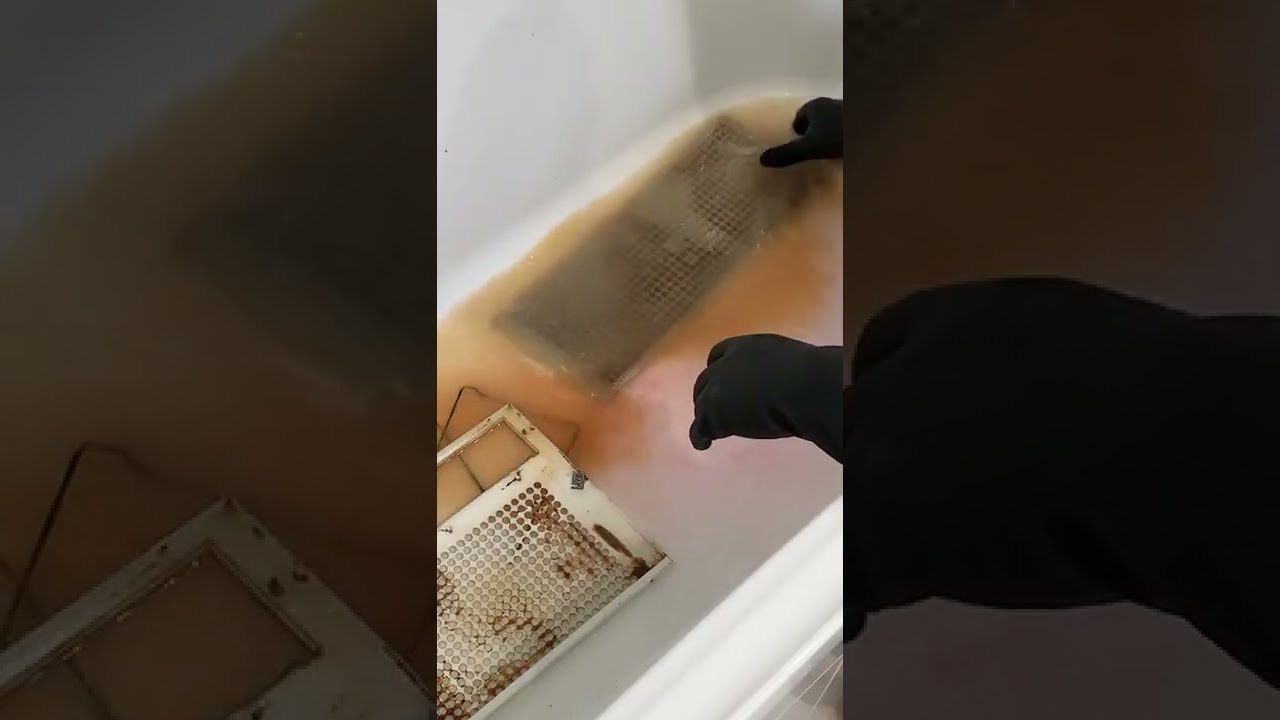
- Grease Traps: These are mandatory for managing liquid fats and oils. Filters: These capture particulates. Cleaning Protocols: The regulations specify the necessary depth of cleaning—it must go beyond simply wiping down surfaces; it requires specialized cleaning that reaches the ductwork itself.
The sheer complexity of these systems often leads to confusion. For instance, do you need to clean the ductwork, or just the visible components? The answer, according to the regulations, is usually everything.
Ventilation System Design Compliance
When a system is first installed, it must meet stringent design codes. However, regulations also govern any significant modifications. If you upgrade your kitchen equipment or change the layout, the ventilation system might need to be re-evaluated by a licensed engineer to ensure it still meets the original fire and environmental specifications. Are you sure your current system can handle the load you’ve added? This is a rhetorical question every business owner should ask themselves.
The Process of Ensuring Compliance
Knowing what regulations govern commercial exhaust cleaning Sydney is one thing; implementing the required procedures is another. This process involves several key steps that must be documented meticulously.
Documentation and Certification
Compliance is built on paper (or digital records). You must maintain detailed records of:
- Cleaning Schedules: When was the last clean, and when is the next one due? Cleaning Scope: What exactly was cleaned (e.g., ductwork, filters, grease traps)? Certification: Who performed the cleaning? Was the service provider licensed and insured?
These records are your shield. If an inspection occurs, the first thing an inspector will ask for is proof of routine, professional care.
Addressing Specific Risk Areas (The Anecdote)
I recall visiting a small restaurant in Sydney that had been neglecting its exhaust system. The visible grease was alarming, but the real issue was within the inaccessible vertical ductwork. The duct had developed a thick, hardened carbon layer that, while not immediately visible, represented a significant fuel load. The required deep cleaning and subsequent inspection revealed that the system had been operating far outside its safe parameters. This incident underscored that the most dangerous buildup is often the one you cannot see.
Future-Proofing Your Operation
The regulations are dynamic. As environmental science evolves, so do the requirements. A modern approach to exhaust cleaning doesn't just mean removing grease; it means optimizing the entire system for energy efficiency and minimal environmental impact.
Consider the concept of the exhaust system as the circulatory system of your business. If it's clogged, inefficient, or contaminated, the entire body (your operation) suffers. Following regulations isn't a burden; it's preventative medicine.
Choosing Your Compliance Partner
Given the complexity of what regulations govern commercial exhaust cleaning Sydney?, attempting to manage it internally is highly risky. The best practice is to partner with professional, licensed service providers who specialize in commercial HVAC and fire safety. They are not just cleaners; they are compliance experts.
Ultimately, the goal is peace of mind. You want to operate knowing that your business is running safely, legally, and responsibly.
Maintaining Optimal Operations in Sydney
To wrap up, think of compliance as an investment, not an expenditure. By proactively addressing the technical requirements, adhering to the local council and EPA mandates, and maintaining impeccable records, you are doing more than just passing an inspection. You are safeguarding your business, your employees, and the local environment.
If you approach exhaust cleaning as a continuous operational necessity—a non-negotiable pillar of safety—you will find that the process is less intimidating and far more rewarding. Don't wait for a problem to force your hand; let compliance be a cornerstone of your business strategy Discover here today.